
Choosing between artificial turf and natural grass is an important decision for homeowners who want an attractive, functional, and easy-to-maintain lawn. Both options can improve the appearance of a property, but they differ significantly in maintenance, water use, durability, cost, and long-term care.
The right choice depends on how you use your yard, how much maintenance you want to handle, and what you expect from your landscape. Understanding the differences between artificial turf and natural grass can help you make a more informed decision for your property.
What Is Artificial Turf?
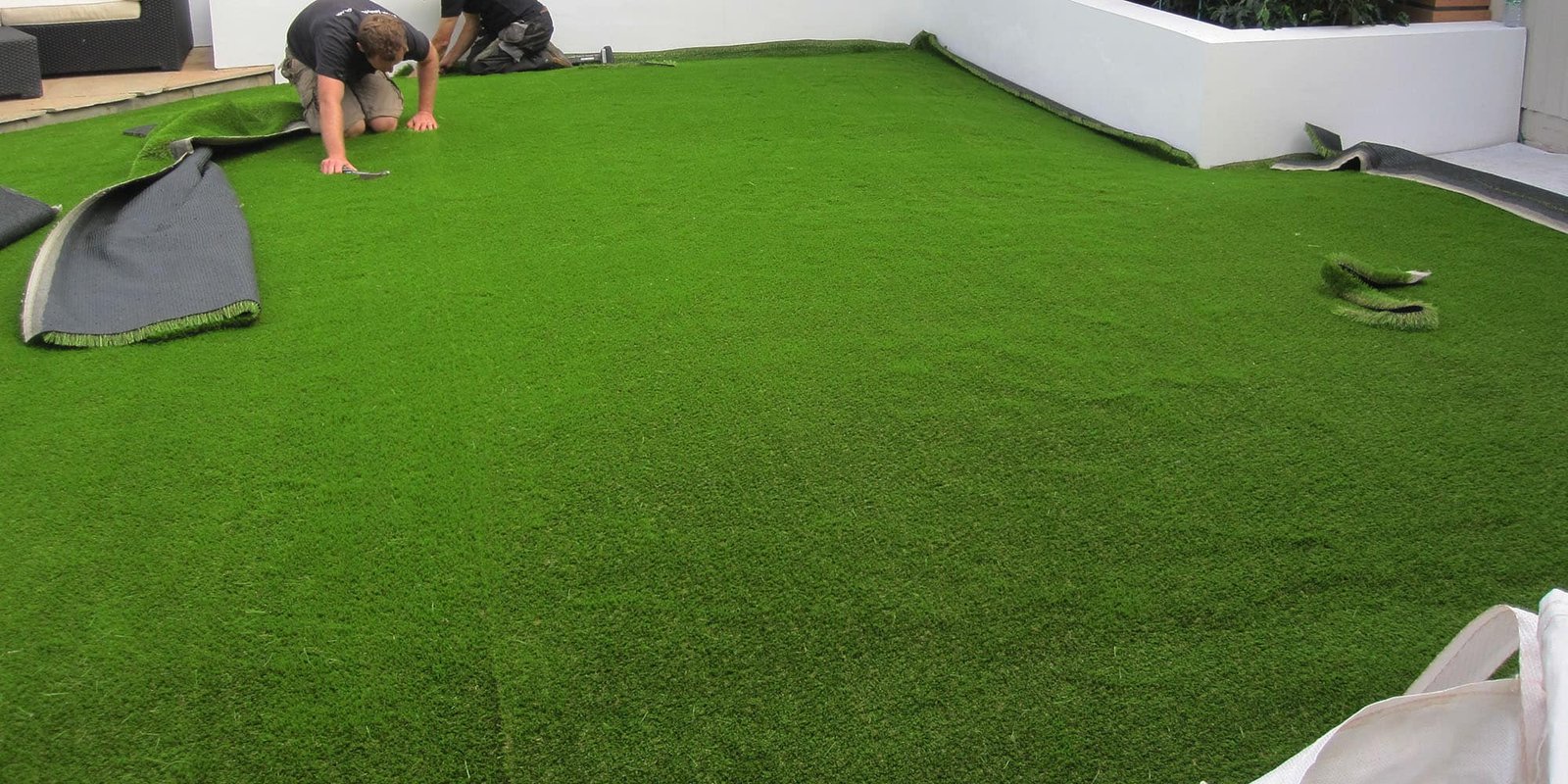
Artificial turf is a manufactured lawn surface designed to resemble natural grass. Modern turf products are available in different colors, blade shapes, textures, and thicknesses to create a realistic appearance.
Once installed correctly, artificial turf does not require regular mowing, watering, or fertilizing. It can provide a consistent green appearance throughout the year and is often considered for properties where homeowners want to reduce routine lawn maintenance.
What Is Natural Grass?
Natural grass is a living lawn made up of grass plants that grow in soil. It requires ongoing care to remain healthy and attractive.
Depending on the grass type and local conditions, maintenance may include mowing, watering, fertilization, weed control, aeration, overseeding, and seasonal lawn care.
Natural grass provides a traditional lawn appearance and can recover naturally from certain types of damage when properly maintained.
Artificial Turf vs Natural Grass: Maintenance
Maintenance is one of the biggest differences between the two options.
Artificial turf eliminates many routine lawn tasks. There is no regular mowing, edging, or grass fertilization. However, artificial turf is not completely maintenance-free. It may need occasional rinsing, debris removal, brushing, and cleaning.
Natural grass requires more regular attention. Homeowners need to mow it as it grows and provide adequate water and nutrients. Weeds, pests, bare areas, and other lawn problems may also require treatment.
For homeowners who want to reduce routine lawn maintenance, artificial turf may provide a more convenient option.
Water Requirements
Water use is another important consideration when comparing artificial turf and natural grass.
Natural grass needs water to remain green and healthy, particularly during hot or dry periods. The amount of water required depends on the grass variety, climate, soil conditions, and irrigation system.
Artificial turf does not need irrigation to stay green. This can reduce the amount of water used for routine lawn care, although occasional cleaning may still require water.
Homeowners who are looking for ways to reduce landscape water use may consider artificial turf as part of a broader water-conscious landscaping plan.
Appearance
Both artificial turf and natural grass can create an attractive lawn, but they have different visual characteristics.
Natural grass provides the variation and texture associated with a living landscape. Its appearance changes with the seasons, weather, mowing practices, and overall lawn health.
Artificial turf maintains a relatively consistent appearance throughout the year. High-quality products can closely resemble natural grass, although some homeowners may still prefer the look and feel of a living lawn.
Your personal preference and the overall design of your property can play a major role in this decision.
Durability and Everyday Use
Artificial turf can handle regular foot traffic without developing the same type of worn or muddy areas that can occur with natural grass. This makes it an option for yards that receive frequent use from children, pets, or outdoor activities.
Natural grass can also provide a durable surface when the appropriate grass variety is selected and the lawn receives proper care. However, heavy traffic can cause compaction, thinning, and bare spots over time.
The amount and type of activity expected on the lawn should therefore be considered before choosing either option.
Cost Considerations
The cost of artificial turf and natural grass should be considered over both the initial installation and the long term.
Artificial turf typically requires a larger upfront investment because the existing area must be prepared and the turf system professionally installed. Over time, however, homeowners may spend less on mowing, irrigation, fertilizer, and other routine lawn care.
Natural grass can have a lower initial installation cost depending on the type of lawn being established. However, ongoing expenses can include water, mowing, fertilizer, weed control, irrigation maintenance, and other lawn services.
The better financial choice depends on the property, installation requirements, lawn size, and how long you plan to maintain the landscape.
Environmental Considerations
Both options have environmental considerations.
Natural grass can support soil life and contribute to a living landscape. It may also help with cooling and provide habitat for certain organisms. However, maintaining a healthy lawn can require water, fertilizer, fuel-powered mowing, and other resources.
Artificial turf can reduce irrigation needs and eliminate the need for many lawn chemicals and mowing activities. At the same time, it is a manufactured material and does not provide the same living ecosystem as natural grass.
Instead of assuming one option is universally better for the environment, homeowners should consider their local climate, water availability, maintenance practices, and the specific products being installed.
Pet-Friendly Considerations
For homeowners with pets, both artificial turf and natural grass can work well when properly maintained.
Artificial turf provides a consistent surface that does not develop muddy patches in the same way natural grass can. It can also be cleaned regularly to help manage pet odors and waste.
Natural grass provides a familiar outdoor surface for pets but can develop worn areas where animals frequently play or move. Pet waste can also contribute to lawn discoloration if it is not cleaned and managed properly.
If pets regularly use the yard, drainage, surface material, cleaning requirements, and installation quality should all be considered.
Which Option Requires Less Maintenance?
Artificial turf generally requires less routine maintenance than natural grass.
With artificial turf, homeowners typically do not need to mow, fertilize, or regularly irrigate the lawn. Periodic cleaning and surface care are still important.
Natural grass requires a consistent lawn care routine to remain healthy. This can include mowing, watering, fertilizing, weed management, and seasonal maintenance.
If minimizing lawn maintenance is a priority, artificial turf may be more suitable.
Which One Is Right for Your Property?
There is no single choice that works for every homeowner.
Artificial turf may be worth considering if you want:
- A consistently green lawn
- Less routine mowing
- Reduced irrigation needs
- A durable surface for frequent use
- Less seasonal lawn maintenance
Natural grass may be preferable if you want:
- A living lawn
- Natural variation throughout the seasons
- A traditional landscape appearance
- The ability to naturally regenerate certain damaged areas
- A lawn that integrates directly with living soil and landscaping
The best option depends on your property’s conditions, your maintenance preferences, your budget, and how you plan to use the space.
Why Choose Gerardo Mariona?
Choosing the right lawn is only part of creating an attractive outdoor space. Proper preparation and professional installation can have a significant impact on how the finished landscape looks and performs.
Gerardo Mariona can help homeowners evaluate their landscaping needs and determine which approach fits their property and lifestyle. From planning and preparation to completing the project, careful attention to the details can help create an outdoor space that is attractive, functional, and easier to maintain.
Make the Right Choice for Your Lawn
Artificial turf and natural grass each offer distinct advantages. Artificial turf can reduce routine maintenance and irrigation requirements, while natural grass provides the traditional look and characteristics of a living lawn.
Before making a decision, consider your budget, maintenance expectations, water use, yard conditions, household needs, and long-term landscaping goals.
With the right planning and professional installation, either option can become an important part of a well-designed outdoor space.