
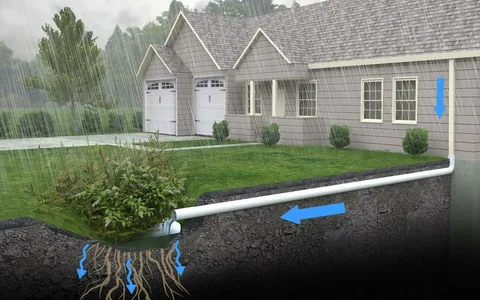
Standing water can turn a beautiful yard into a muddy, unusable space after heavy rain. Water may collect in low spots, wash away soil, damage grass, and create problems around patios, walkways, and the home’s foundation. When these issues keep returning, the property may need a properly designed drainage system rather than a temporary fix.
Drainage system construction helps control how rainwater moves across and beneath your property. With the right combination of grading, drainage pipes, and water collection points, homeowners can reduce pooling and protect their landscaping. Gerardo Mariona helps homeowners understand landscaping solutions that support a more functional, attractive outdoor space, including the importance of managing excess water before it causes further damage.
What Causes Yard Flooding?
Yard flooding usually occurs when water reaches the ground faster than the soil can absorb it or the property can drain it away. The cause may involve the shape of the land, soil conditions, roof runoff, or the way nearby properties direct rainwater.
Common causes include:
- Poor yard grading: Low areas collect runoff instead of allowing water to flow toward a suitable drainage point.
- Compacted or clay-heavy soil: Some soils absorb water slowly, leaving the surface saturated after rainfall.
- Blocked gutters and downspouts: Roof runoff may spill near the house and overwhelm the surrounding soil.
- Heavy rainfall: Intense storms can produce more water than the existing drainage system can handle.
- Improper hardscape drainage: Patios, driveways, and walkways may direct runoff toward the lawn or foundation.
- Runoff from neighboring properties: Water flowing downhill from nearby land can increase the amount of water your yard must manage.
Identifying the source is the first step toward choosing an effective solution. Installing a drain without understanding the underlying problem may simply move water from one part of the yard to another.
Why Proper Drainage System Construction Matters
A well-planned drainage system gives excess water a controlled route away from areas where it causes problems. The goal is not simply to remove every drop of water from the landscape. It is to manage runoff so the soil, plants, outdoor features, and home remain better protected.
Protect Your Lawn and Landscaping
Grass and ornamental plants need water, but prolonged saturation can damage roots and weaken plant growth. Repeated flooding can also wash away mulch, expose roots, and create muddy patches that make the yard difficult to use.
Drainage improvements help reduce standing water and make it easier to maintain a healthy landscape.
Reduce Water Accumulation Near the Foundation
Water that repeatedly collects beside a home can contribute to soil saturation and increase the risk of moisture entering vulnerable areas. Proper grading and suitable drainage measures help direct water away from the foundation.
Drainage work should account for the home’s layout, existing slopes, and appropriate discharge options. If water is already entering the house, the source may require a more detailed inspection.
Prevent Soil Erosion
Fast-moving runoff can carry away topsoil, damage planting beds, and leave channels across the lawn. A properly designed system helps collect and direct water in a controlled way, reducing the risk of erosion.
Keep Outdoor Spaces Usable
Standing water can make patios, walkways, driveways, and lawn areas difficult to use after rain. By improving water movement, drainage construction can help outdoor spaces dry more effectively and remain functional.
Types of Drainage Systems for Preventing Yard Flooding
The best drainage solution depends on where water collects, how it moves, and whether the problem involves surface runoff or water beneath the soil.
1. French Drain Installation
A French drain is an underground drainage system designed to collect and redirect excess water. It typically consists of a gravel-filled trench containing a perforated pipe, with filter materials selected to help limit soil entering the drainage area.
Water enters through the surrounding gravel and flows into the pipe toward an appropriate outlet.
French drains may be useful for persistently wet sections of a lawn, areas where groundwater accumulates, or locations where surface grading alone cannot resolve the problem. Their effectiveness depends on correct placement, consistent slope, suitable materials, and a reliable discharge point.
2. Surface Drainage Systems
Surface drains collect water before it can remain on the ground for extended periods. These systems may include grated channel drains, catch basins, and connected drainage pipes.
A catch basin can collect runoff from a low area, while a channel drain may be appropriate along a driveway, patio, or walkway where water tends to gather.
The collected water must then be directed to a suitable discharge location. The system should be sized for the property’s drainage needs rather than selected based only on the size of the visible puddle.
3. Yard Grading and Slope Correction
Sometimes, the problem begins with the shape of the land. If the yard contains depressions or slopes toward the house, rainwater may have no effective route away from vulnerable areas.
Regrading adjusts the ground surface to encourage water to move in the intended direction. This may involve adding or redistributing soil, correcting low spots, and shaping gentle slopes.
Grading can be an effective first step, but the design must consider existing structures, property boundaries, soil conditions, and local drainage requirements.
4. Swales and Landscape Drainage Channels
A swale is a shallow, shaped channel that guides runoff across a property. Depending on the design and soil conditions, it can slow water movement, help distribute runoff, and support infiltration.
Swales can be incorporated into landscaped areas so drainage works with the appearance of the yard. They are especially useful when there is enough space to shape a suitable path for water.
5. Downspout Drainage Improvements
Roof runoff can contribute significantly to yard flooding when gutters discharge water too close to the home. Extending downspouts or connecting them to a properly designed drainage line can help move this water away from the foundation and saturated lawn areas.
The discharge point matters. Water should not be redirected toward neighboring properties, public walkways, or another part of the yard where it may create a new drainage problem.
How Professional Drainage System Construction Works
A lasting drainage solution starts with planning. Digging a trench and installing a pipe is only one part of the process. The system must collect the right water, carry it along a suitable route, and release it safely.
Step 1: Inspect the Property
The first step is to identify where water collects and how it enters the area. The inspection may include examining low spots, existing slopes, downspouts, hard surfaces, soil conditions, and signs of erosion.
Observing the property during or shortly after rainfall can reveal runoff patterns that are difficult to see in dry weather.
Step 2: Choose the Appropriate Drainage Method
Based on the findings, the project may require grading improvements, surface drains, a French drain, downspout extensions, or a combination of solutions.
Not every yard needs an extensive underground system. Addressing a blocked downspout or a small grading issue may resolve a minor problem, while persistent flooding may require a more comprehensive design.
Step 3: Plan the Drainage Route and Outlet
Before construction begins, the drainage route must be planned around the property’s layout and elevation. Underground utilities should be located before excavation, and any necessary permits or local requirements should be checked.
The system also needs a suitable discharge point. Simply collecting water underground will not solve the problem if the water has nowhere appropriate to go.
Step 4: Install the System
Construction may involve excavation, preparing the trench, installing drainage materials, setting pipes to the required slope, and connecting collection points. The exact process depends on the system being installed.
Careful installation helps reduce the risk of standing water inside pipes, soil entering the drainage materials, or runoff backing up during rainfall.
Step 5: Test and Restore the Landscape
Before completing the project, the system should be checked for proper water movement and potential obstructions. The surrounding soil and landscaping can then be restored as appropriate.
Homeowners should also understand any maintenance requirements, such as clearing grates, inspecting outlets, and removing debris that could restrict water flow.
Common Drainage Construction Mistakes to Avoid
Poorly planned drainage work can leave homeowners with the same flooding problem they were trying to solve. Several mistakes are especially important to avoid.
- Installing a drain without identifying the cause: Water may continue collecting if the actual source is poor grading, roof runoff, or saturated soil.
- Ignoring the slope: Pipes and channels need appropriate grades to move water toward the outlet.
- Using an unsuitable discharge point: Water can back up or create problems elsewhere if the outlet is poorly located.
- Overlooking soil conditions: The design should account for how quickly the soil absorbs water and whether fine particles could clog the system.
- Failing to plan for heavy rainfall: Drainage components must be suitable for the runoff they are expected to handle.
- Neglecting maintenance: Leaves, sediment, and debris can restrict surface drains and reduce system performance over time.
Professional planning helps address these issues before they become expensive repairs.
Maintaining Your Yard Drainage System
Even a properly constructed drainage system needs occasional attention. Regular maintenance helps keep water moving and makes it easier to identify developing problems.
Homeowners should clear leaves and debris from drain grates, check that downspouts remain connected, and inspect visible outlets after major storms. They should also look for new areas of standing water, soil erosion, or water collecting close to the foundation.
If flooding returns, the cause may be a blockage, a change in grading, an undersized system, or rainfall beyond the system’s design capacity. A professional assessment can help determine whether cleaning, repairs, or additional drainage measures are needed.
Improve Your Outdoor Space with Gerardo Mariona
A well-maintained landscape depends on more than attractive grass, planting beds, and outdoor features. Water needs to move through the property in a way that supports the landscape and protects vulnerable areas.
Gerardo Mariona understands the importance of thoughtful landscaping decisions when homeowners want an outdoor space that looks good and functions well. Addressing drainage concerns as part of a broader landscaping plan can help reduce muddy areas, limit erosion, and make the yard more practical to maintain.
Whether your property has recurring puddles, soggy lawn sections, or runoff that needs better direction, identifying the cause is the best place to start.
Conclusion
Drainage system construction can help prevent recurring yard flooding by controlling how rainwater collects, flows, and leaves the property. Depending on the conditions, effective solutions may include French drains, surface drains, yard regrading, swales, or improvements to downspout drainage.
The right system begins with a careful assessment of the property and a plan that accounts for soil, slope, rainfall, and a suitable outlet. With proper installation and regular maintenance, homeowners can reduce standing water, protect landscaping, and keep their outdoor spaces more usable after storms.
If your yard repeatedly floods after rainfall, consider addressing the drainage issue before it causes further landscape damage or affects areas around your home.